
When people first sit down to be still, they often assume there is one correct method waiting to be mastered. In truth, there are many different types of meditation, and each one feels remarkably distinct from the inside. Some settle the mind through the breath; others through a repeated sound, a slow scan of the body, the rhythm of walking, or the quiet cultivation of goodwill. None of them is the "right" one — there is only the one that suits you today.
So if a single technique has ever left you feeling restless or unsure, take heart. You haven't failed at meditation; you've simply not yet found your doorway in. This is a friendly tour of five approaches — what each is like, who it tends to suit, and how to choose one to begin. The goal is gentler than perfection: a mind a little clearer, a little calmer, and a little more at home in itself.
Why there are so many types of meditation
Contemplative traditions across the world arrived at the same insight by different paths: that attention can be trained, and that a trained attention changes how we meet our days. That shared discovery is why there are so many different types of meditation today — each a refinement of one underlying skill, attention, expressed through a different object. You can read a broad, well-sourced overview of these traditions in the Wikipedia article on meditation.
Practised gently and regularly, meditation is traditionally used to ease tension, steady the emotions, and support clearer focus. It is not a cure for any medical condition, and if you live with anxiety, trauma, or a health concern, it is wise to begin with guidance and to keep your doctor in the conversation. With that honest framing in place, here are the five doorways.
Breath awareness — the most universal doorway
Breath awareness, often called Anapana (mindfulness of breathing), is the most widely taught of all the practices, and for good reason. You simply rest your attention on the natural breath — the cool air at the nostrils, the rise and fall of the belly — and, each time the mind wanders, return. That returning is the practice. Nothing is forced; the breath is left exactly as it is.
- What it's like: quiet, anchoring, endlessly portable — your breath is always with you.
- Who it suits: almost everyone, and especially beginners who want one simple anchor to start from.
- Good to know: if watching the breath makes you tense, loosen your attention rather than gripping it tighter.
Mantra meditation — settling the mind with sound
In mantra meditation you repeat a word, sound, or short phrase (a mantra) — silently or under the breath — letting it gently occupy the restless, narrating mind. The sound becomes the anchor the breath is in other practices. For people whose thoughts feel especially loud, a mantra can be a kinder doorway than silence, because it offers the mind something soothing to hold.
- What it's like: rhythmic and absorbing, a little like being carried by a slow current.
- Who it suits: busy, analytical minds; anyone who finds pure breath-watching too sparse.
- Good to know: the meaning matters less than the steadiness — choose a sound that feels calm to repeat.
Body scan — meditation that begins in the body
The body scan moves attention slowly through the body — from the crown of the head to the soles of the feet — noticing sensation without trying to change it. Warmth, tingling, heaviness, or simply nothing at all: each is met with the same friendly curiosity. It is a beautifully grounding practice, and one that tends to surface where we quietly hold our stress.
- What it's like: slow, sensory, deeply relaxing — many people do it lying down.
- Who it suits: those who live "in their heads", carry physical tension, or want help unwinding before sleep.
- Good to know: if you drift off, that's no failure — rest is welcome too.
Walking meditation — stillness in motion
Not every meditation asks you to sit. In walking meditation you walk slowly and deliberately, attention resting on the soles of the feet — the lift, the swing, the gentle contact with the earth. There is no destination; the path is the practice. For restless bodies, and for anyone who feels trapped by the idea of sitting still, this can be a liberating place to start.
- What it's like: meditative yet awake, the world arriving through each unhurried step.
- Who it suits: restless minds and bodies; anyone who finds long stillness uncomfortable.
- Good to know: a quiet stretch of garden or shoreline is ideal — here in Kovalam, the lakeside paths lend themselves to it.
Loving-kindness — opening the heart
Loving-kindness (Metta) is the warmest of these practices. Instead of an anchor, you silently offer simple wishes of goodwill — "may you be well, may you be at ease" — first to yourself, then to those you love, then outward to all beings. It softens the inner critic and, over time, can change the tone of how we hold ourselves and others.
- What it's like: tender, heart-opening, occasionally tearful in the best way.
- Who it suits: those who are hard on themselves, or who feel disconnected and want to thaw a little.
- Good to know: if turning kindness toward yourself feels difficult, begin with someone easy to love and return to yourself later.
How to choose among the types of meditation
With so many types of meditation to weigh, the kindest approach is not to overthink it. Choosing is less a matter of finding the "correct" technique than noticing what your mind and body are asking for right now.
- If your thoughts race: try mantra — a sound gives the busy mind something to hold.
- If you carry tension: try the body scan to release what the body is quietly storing.
- If sitting feels impossible: try walking and let movement be your anchor.
- If you are hard on yourself: try loving-kindness to soften the inner voice.
- If you're unsure: begin with breath awareness — the simplest, most universal doorway.
Give one method a fair, unhurried fortnight before deciding it isn't for you. And remember that these practices are companions, not competitors — many people weave several together, breath to begin, loving-kindness to close. A little guidance helps too, which is why our Yoga programme holds breath, movement, and stillness together, so meditation grows from a settled body rather than a striving one.
Finding your stillness at Amrutham
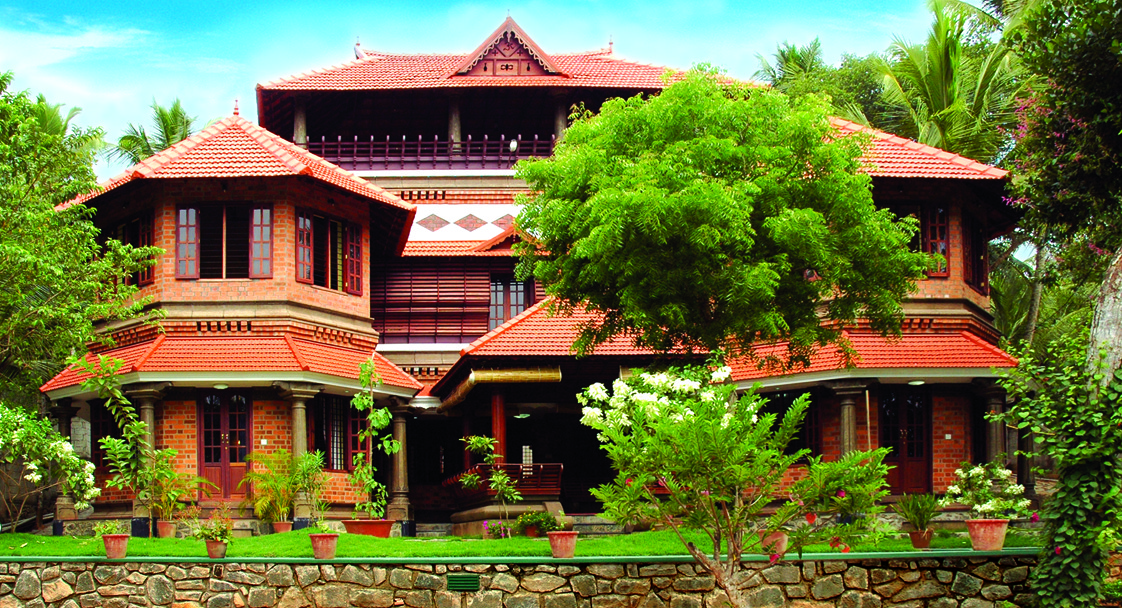
At Amrutham, our quiet eight-room sanctuary in Kovalam, Kerala — near Vellayani Lake, about thirty minutes from Trivandrum — meditation is one strand of a gentle whole we call M·A·Y: Meditation, Ayurveda, and Yoga. A stay here is framed as a U-turn inward, a return to yourself, guided by the A.C.E. framework of Awareness, Contentment, and Equanimity. Whichever doorway you choose, you'll have space, silence, and unhurried support to walk through it. If you would like to go further, our Signature Silent Retreat offers a deeper immersion in stillness, while you can learn more about our philosophy at your own pace.
There is no single right way to meditate — only the next quiet breath, and the willingness to begin. Come and find the doorway that is yours.


