
There is a quiet question that arrives once you have felt the depth of a genuine Ayurvedic treatment for yourself — the warmth of medicated oil, the stillness after a session, the sense of something old and intelligent at work. Could this become my life's work? If you are weighing the panchakarma course job prospects before you commit, you deserve an honest, grounded answer rather than a brochure promise.
Panchakarma — the five classical cleansing actions of Ayurveda used to remove toxins (ama) and restore balance — sits at the heart of authentic practice. Learning to deliver it well is a craft of the hands and the heart. Let us look clearly at where that craft can take you.
What shapes panchakarma course job prospects
Demand for Ayurveda has grown steadily as more travellers and patients seek therapies that work with the body rather than against it. Ayurveda is one of India's recognised traditional systems of medicine and is increasingly studied within global frameworks for traditional and complementary care, as documented by the World Health Organization's work on traditional and integrative medicine. That broad context matters, but your personal prospects rest on three things that no market trend can replace.
- Skill of the hands: panchakarma is tactile work — Abhyanga (synchronised oil massage), Shirodhara (a steady stream of warm oil to the forehead), and the preparatory and main cleansing procedures. Confident, attentive technique is what clients and clinics remember.
- Understanding, not just movement: knowing why a therapy is chosen for a given constitution (Prakriti) and imbalance lets you adapt rather than repeat by rote.
- Presence: the calm, unhurried attention you bring to the treatment table is itself part of the healing, and it is rarer than skill alone.
Where the work actually is
When people imagine a career in Ayurveda, they often picture a single clinic. In practice, the openings are broader and more varied than that. A solid grounding in panchakarma can lead toward several directions, each with its own rhythm.
- Wellness retreats and resorts: properties offering Ayurveda and Yoga need therapists who can deliver classical treatments with care and consistency, often as part of a residential programme.
- Ayurvedic clinics and hospitals: working alongside physicians, you support patients through preparatory therapies and the cleansing procedures themselves.
- Spas and integrative wellness centres: many now seek genuinely trained Ayurvedic therapists rather than generic spa staff, both in India and abroad.
- Independent practice: with experience and a trusted reputation, some therapists build their own small practice or offer treatments within a wider wellness setting.
- Teaching and continued learning: experienced practitioners often go on to mentor newcomers, passing the craft along.
Kerala holds a particular place in this landscape, recognised internationally as a home of living Ayurveda where the tradition is practised daily rather than studied at a distance. Training in such a setting gives your learning a context that a classroom alone cannot — you absorb the rhythms of seasonal practice, the etiquette of the treatment room, and the steady professionalism that distinguishes a therapist from a technician. Employers notice that grounding, and so, in time, do clients.
How a certification strengthens your panchakarma course job prospects
A certificate is not a promise of work, and we would never pretend otherwise. What it does is give you a credible, structured foundation — and, crucially, supervised hands-on hours — that employers and clients can trust. When you can show that you trained in classical procedures under qualified practitioners, you start a conversation from a place of confidence.
Our 21-Day Panchakarma Certification is built around this principle. Over three weeks you move from the foundations of Ayurvedic understanding into the preparatory and main cleansing therapies, with real practice rather than theory alone. For those drawn first to the manual therapies, the Massage Course offers a complementary path into Abhyanga and related techniques. You can see how the offerings fit together across our courses.
What employers and clients quietly look for
Beyond the certificate itself, a few qualities tend to open doors. None of them require talent you were born with — each can be cultivated with honest practice.
- Reliability: turning up prepared, keeping the treatment space clean and calm, and respecting the dignity of every guest.
- Safety awareness: knowing the contraindications, recognising when a client should consult a physician first, and never overpromising results.
- Language and warmth: in retreats serving international guests, the ability to explain a therapy gently and put a nervous first-timer at ease is genuinely valued.
- A learner's humility: those who keep deepening their understanding — of agni (digestive fire), of the doshas, of seasonal rhythms — tend to grow into the most trusted hands.
An honest word on expectations
We will not tell you that a certificate transforms your prospects overnight, or quote figures we cannot stand behind. Like any craft, Ayurvedic therapy rewards patience. The first roles may be modest; the deepest opportunities tend to follow years of careful, attentive work. What we can say is that genuine skill in panchakarma remains in real and growing demand — and that those who treat it as a vocation rather than a transaction rarely struggle to find a place. The therapists whose careers endure are seldom the quickest to qualify; they are the ones who keep refining their touch, year after quiet year, and who let the work itself speak for them.
It also helps to experience these therapies as a guest before you offer them to others. Receiving a thoughtfully designed detox programme or an immersive Ayurveda package gives you something no manual can: the felt sense of what good treatment is meant to do.
Beginning where the tradition lives
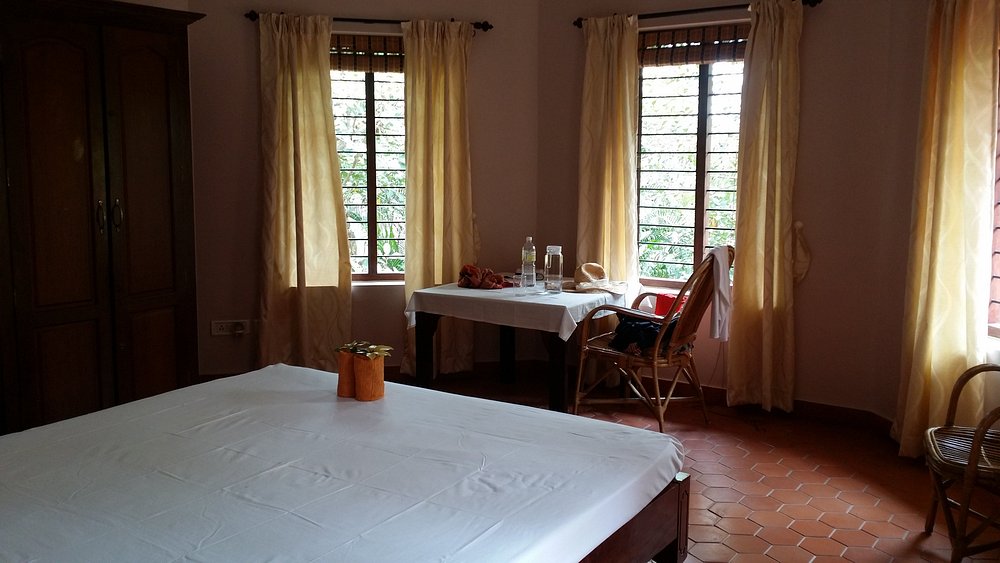
If this path calls to you, begin gently and begin well. We are a small, deliberately unhurried retreat in Kovalam, Kerala — close enough to the tradition to keep it honest, intimate enough to teach you properly. Our hope is not simply to hand you a certificate, but to help you become someone whose hands people trust. That, in the end, is what carries panchakarma course job prospects from a question into a calling.
Continue Exploring
- Panchakarma Course Prerequisites for Beginners: What to Bring
- A Panchakarma Course for Spa Professionals: Beyond Technique
- Panchakarma Course Syllabus: What a Serious 21-Day Training Includes
- Panchakarma Course vs Ayurveda Degree: Which Path Is Yours?
- Can You Take a Panchakarma Course Without Medical Background?


