
Searching for whether you can do panchakarma at home is a fair and honest question — and the honest answer is layered. There are gentle Ayurvedic practices you can safely fold into daily life, and there is the full classical cleanse, which genuinely needs trained hands, medicated preparations, and complete rest. Knowing where one ends and the other begins protects both your time and your wellbeing.
Panchakarma — literally the "five actions" of deep cleansing in Ayurveda — is often imagined as a spa weekend or a packet of herbs. In its authentic form it is neither. It is a carefully staged medical process, traditionally undertaken under supervision, designed to loosen and remove accumulated toxins (ama) and restore balance to your constitution (Prakriti). So before you order oils online, it helps to understand what the process actually asks of you.
What Panchakarma actually is
Classical Panchakarma unfolds in three phases, and the cleanse itself is only the middle one. First comes preparation (Purvakarma) — internal and external oleation (Snehana) and sweating therapies (Swedana) that soften and mobilise toxins so the body can release them. Then come the five principal eliminations (Pradhanakarma), chosen for your individual imbalance. Finally, and just as importantly, comes the recovery phase (Paschatkarma) — a graded return to ordinary food and activity that allows your renewed digestive fire (agni) to settle.
For a deeper grounding in the tradition's history and framework, the overview of Ayurveda on Wikipedia is a useful, neutral starting point. What matters here is the shape of it: preparation, elimination, recovery — three stages that depend on timing, observation, and adjustment day by day.
What you genuinely can do at home
Plenty of Ayurveda lives well in a home routine. None of it replaces a clinical cleanse, but practised consistently it supports digestion, calms the nervous system, and keeps toxins from accumulating in the first place. These are the gentle, low-risk habits a practitioner might encourage between deeper resets:
- A daily rhythm (Dinacharya): waking, eating, and sleeping at steady times to steady the body's own clock.
- Self-massage (Abhyanga): warming sesame or coconut oil worked gently into the skin before a bath, traditionally used to ease tension and nourish the tissues.
- Tongue scraping and warm water: simple morning practices that can support oral hygiene and digestion.
- A simple, warm, seasonal diet: freshly cooked vegetarian food, easy on the gut, light in the evening.
- Breathwork and meditation: a few quiet minutes of Pranayama and stillness to lower the day's noise.
These are the everyday foundations — and they are exactly the rhythm our guests carry home after a stay. If you want to build them into a structured experience first, our Ayurveda package is designed around precisely this kind of gentle, learnable routine.
Why true panchakarma at home is not the same thing
Here is where the question of panchakarma at home meets its limits. Online "kits" tend to borrow the vocabulary of the cleanse without any of its safeguards — the diagnosis, the dosing, the daily observation. The risk is not that they do nothing; it is that a powerful process, attempted without guidance, can leave you depleted rather than restored. Several elements simply cannot be improvised in a kitchen:
- Individual assessment: the therapies, oils, and sequence are chosen for your constitution and current imbalance — not from a generic plan.
- Medicated preparations: classical oils and decoctions are prepared and dosed by trained hands; the wrong one at the wrong stage can do harm.
- Skilled therapists: treatments such as Shirodhara (a steady stream of warm oil to the forehead) and synchronised massage require practitioners, not a partner following a video.
- Daily monitoring: a supervising practitioner watches how you respond and adjusts the course — the body changes through a cleanse.
- Complete rest: the eliminations leave you tired and tender; carrying on with work, family, and screens undermines the whole process.
None of this is meant to alarm you. It is simply why authentic Panchakarma has always been a residential, supervised tradition rather than a home remedy — and why, if you have a medical condition or take regular medication, you should speak with a qualified doctor before beginning any cleanse.
Why a residential retreat makes the difference
The deepest gift of a residential setting is not the equipment — it is the permission to do nothing else. When you step away from your routine, the cleanse can take its proper place at the centre of your days. Preparation, elimination, and recovery each unfold at their own pace, watched and adjusted by people who do this work every day.
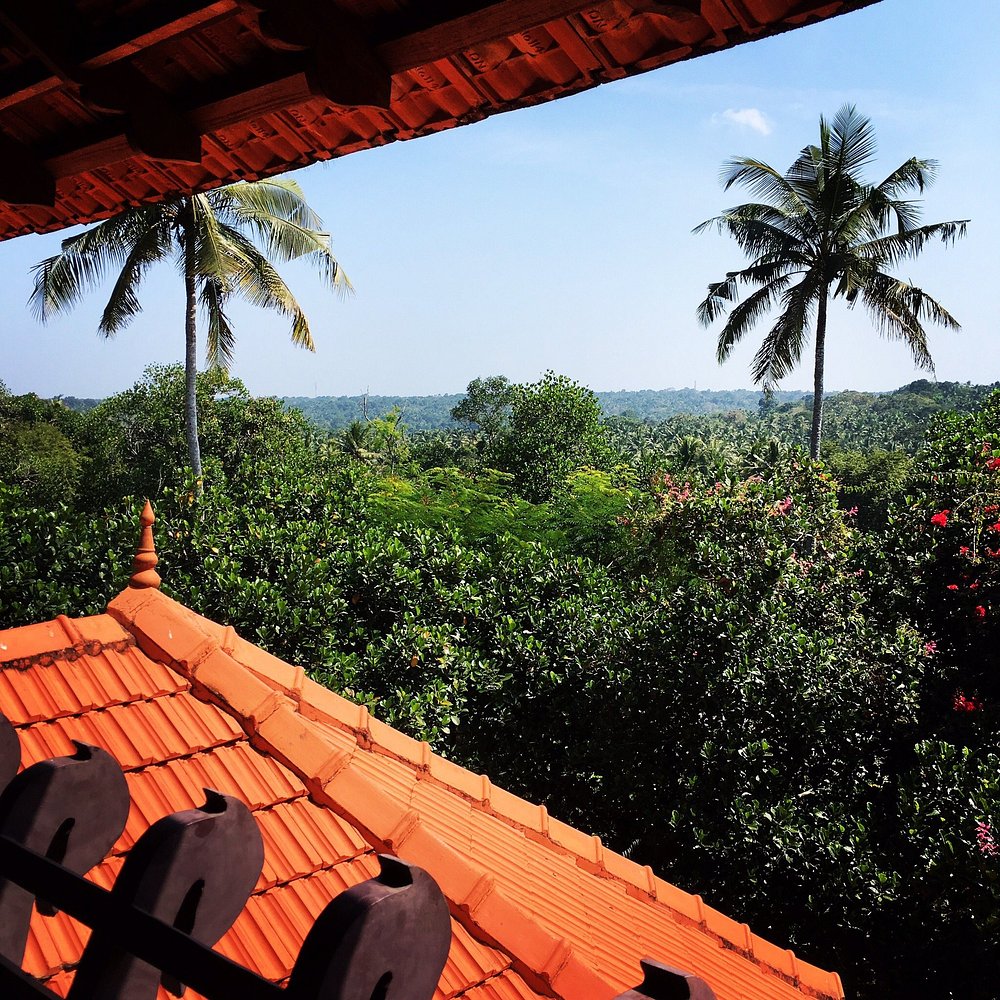
At Amrutham, that setting is deliberately small — only eight rooms, set in quiet nature near Vellayani Lake in Kovalam, Kerala, about thirty minutes from Trivandrum. The intimacy matters: a controlled, sattvic (pure vegetarian) diet prepared for the stage you are in, therapists who know your name, and the simple silence that lets the body soften. Our care follows the M·A·Y rhythm — Meditation, Ayurveda, and Yoga — so the cleanse is held within rest, movement, and stillness rather than rushed.
If a guided cleanse is what you are looking for, our Panchakarma detox retreat is built around exactly these three phases, with the supervision and aftercare a home routine cannot offer. Those drawn to the practice as a discipline can also explore our 21-day Panchakarma certification course, where the process is studied from the inside.
Choosing wisely: home practice and panchakarma at home in balance
So, can you do panchakarma at home? You can carry its spirit home — the oils, the rhythm, the quiet meals — and these gentle practices may support steadier digestion and a calmer mind over time. But the full cleanse, with its medicated therapies and daily adjustments, belongs in a supervised, residential setting where rest is complete and care is constant. Think of home practice as maintenance, and a guided retreat as the deeper reset.
A retreat is not indulgence — it is a U-turn inward, a chance to let trained hands do the work while you simply rest. When you are ready to give the process the time and attention it asks for, we would be glad to hold that space for you in Kovalam.


