
There is a particular kind of tiredness that no weekend can touch — the kind that settles into the shoulders, the sleep, the way you speak to the people you love. If you have been carrying it for a while, the thought of pausing can feel almost irresponsible. Yet taking time off work for a retreat is not an indulgence or an excess; for many of us, it is the only way to interrupt a momentum that has long stopped serving us.
Panchakarma — the classical Ayurvedic process of deep cleansing and renewal — asks for something modern life rarely grants: unhurried time. Here in Kovalam, by the quiet edge of Vellayani Lake, we have watched many travellers arrive frayed and leave a little more themselves. This is an honest look at what that pause actually involves, and how to give yourself to it well.
Why taking time off work for a retreat is part of the healing
It can be tempting to treat rest as something you slot between obligations — a few stolen days, phone still glowing, mind still half at the desk. But Panchakarma does not respond to half-measures. The body lets go only when the nervous system trusts that nothing is being asked of it. That trust takes days, not hours, to build.
This is why taking time off work for a retreat matters so much. The detachment is not incidental to the therapy — it is part of the therapy. When the calendar empties, the digestion settles, sleep deepens, and the slow work of clearing accumulated toxins (ama) can finally begin. You are not stepping away from your life. You are stepping toward the version of yourself that your life depends on.
What Panchakarma actually asks of you
Panchakarma (literally "five actions") is a sequenced cleanse rooted in classical Ayurveda, traditionally used to remove deep-seated impurities and restore balance among the doshas — the three functional energies that shape your constitution (Prakriti). It is described in the foundational texts of the tradition, and you can read a general overview of Panchakarma and its place within Ayurveda for context before you arrive.
A genuine programme unfolds in stages, and each stage has its own rhythm:
- Preparation (Purvakarma): oil massage (Abhyanga) and gentle heat therapies to loosen toxins and coax them toward the digestive tract.
- The main actions (Pradhanakarma): carefully chosen cleansing procedures, selected for your body — never one-size-fits-all.
- Recovery (Paschatkarma): a slow rebuilding of digestive fire (agni), strength, and routine, so the benefits hold long after you leave.
None of this can be rushed. A meaningful Panchakarma is usually measured in weeks, not days — which is precisely why the question of time off deserves real thought rather than a hopeful guess. If a full cleanse feels beyond your current window, a gentler reset through our Ayurveda package can still offer rest and rebalancing.
How much time off should you plan for?
There is no single right answer — your practitioner will advise based on your constitution and concerns. But a few honest principles can guide your planning:
- Allow more than you think: build in a day or two of arrival and a day of gentle return, so the cleanse is not bracketed by airports and inboxes.
- Protect the after: the days following Panchakarma are tender. Avoid scheduling a major presentation for the morning you land home.
- Be honest with your body: a shorter, well-chosen programme done fully is worth more than a long one you keep interrupting.
When you explore all our packages, you will see programmes of differing lengths and intentions. Telling us your real constraints — including how much leave you can genuinely take — helps us recommend something you can give yourself to completely, rather than something that simply looks impressive on paper.
Talking to your employer about taking time off work for a retreat
Many travellers tell us the hardest part of taking time off work for a retreat was not the booking — it was the asking. The guilt, the imagined judgement, the sense that rest must be earned. Some gentle reframings tend to help:
- Name it plainly: a health-and-wellbeing reset is a legitimate reason for leave, not something to apologise for.
- Prepare a clean handover: a tidy week before you go protects your peace once you arrive.
- Set the expectation of silence: agree in advance that you will be offline. The cleanse needs your full attention, and so do you.
You may find that returning clearer, calmer, and more grounded does more for your work than any number of half-present weeks at the desk ever could.
What the days here feel like
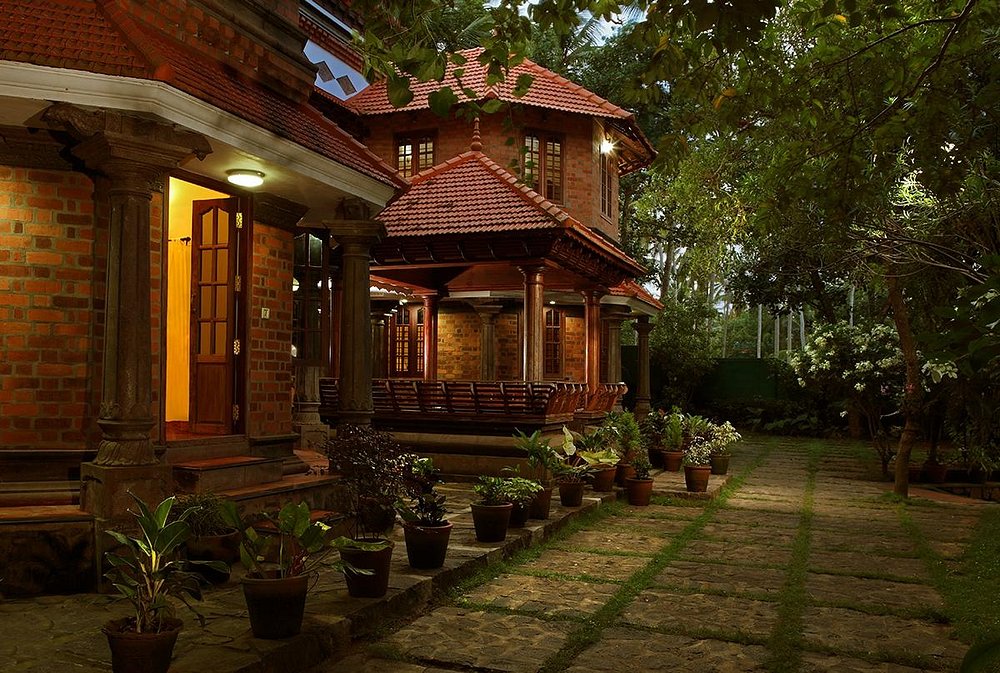
Kovalam offers something the city cannot: stillness with texture. The sea is near, the lake is nearer, and the days move at the pace of the therapies rather than the clock. We are an intimate place — only eight rooms — so there is no crowd to perform for, no schedule to keep up with but your own.
Mornings might begin with quiet yoga or meditation; treatments unfold unhurried; meals are sattvic — light, vegetarian, prepared to support the cleanse rather than distract from it. For those who want to go deeper into bodywork alongside the cleanse, our specialised therapies can be woven thoughtfully into the programme. Throughout, our practitioners attend to where you actually are, not where a brochure assumes you should be.
This is the U-turn inward we speak of — not a dramatic escape, but a quiet return to yourself, made possible simply because you allowed the time.
A gentle word before you decide
Panchakarma is a serious therapeutic process, and it is not right for every body or every moment. We always encourage you to consult our practitioners — and your own doctor where relevant — before you begin, especially if you are managing a health condition. Ayurveda traditionally supports the body's own capacity to rebalance; it makes no exaggerated promises, and neither do we.
What we can offer is honesty, care, and the unhurried time that real renewal asks for. If you have been wondering whether taking time off work for a retreat is worth it, perhaps the truer question is whether you can keep going without one. When you are ready, we would be glad to help you plan a stay that fits your life — and gives your body somewhere soft to land.


