
Perhaps you first heard the word in a yoga class, or read it on a wellness blog, or caught it in a conversation about Ayurveda — Panchakarma. It sounded ancient and a little mysterious, and something in you leaned closer. So what is Panchakarma, really? If you have been carrying a quiet sense that body and mind could feel lighter, clearer, and more your own again, that small leaning is worth following.
This is an honest, unhurried guide for the curious first-timer. No mysticism, no hard sell — just what Panchakarma actually is, what tends to happen during it, and how to sense whether it might be for you. Think of it as a gentle introduction before you ever set foot on a mat or a treatment table.
What Is Panchakarma? The Meaning of the Word
The short answer to what is Panchakarma begins with the Sanskrit itself. Pancha means “five” and karma means “actions” — so Panchakarma is, quite literally, the “five actions.” It is the classical cleansing and rejuvenation tradition at the heart of Ayurveda, the centuries-old Indian science of life and balance. (The overview of Panchakarma on Wikipedia traces the same roots.)
To understand why a cleanse exists at all, it helps to know two ideas Ayurveda rests on. The first is ama — the residue, or toxins, that build up when digestion and daily life leave more behind than the body can clear. Not only from food, but from stress, overstimulation, and unprocessed emotion. The second is the three doshas — Vata, Pitta, and Kapha — the constitutional energies that, when they drift out of balance, can show up as fatigue, sluggish digestion, restless sleep, or a kind of dull heaviness. Panchakarma is the measured process of clearing ama and guiding the doshas back toward equilibrium.
The five actions, in plain language
The “five actions” are the principal purifying therapies a qualified Ayurvedic doctor (Vaidya) may draw upon. Two reassurances before the list: not everyone receives every procedure, and nothing is self-administered. Each is chosen for your constitution and carried out under close, professional supervision.
- Vamana (therapeutic emesis): a supervised clearing of the upper digestive and respiratory passages, traditionally used where excess Kapha has accumulated.
- Virechana (purgation): a gentle, herb-guided cleansing of the small intestine and liver, traditionally associated with balancing Pitta.
- Basti (medicated enema): herbal oils or decoctions to cleanse and nourish the colon — considered the principal seat of Vata, and often the most valued of the five.
- Nasya (nasal therapy): herbal oils or powders administered through the nose to clear the head-and-neck region and support mental clarity.
- Raktamokshana (blood purification): a less common, carefully selected procedure used in specific conditions to cleanse the blood.
If some of those sound intense on the page, know that in practice the experience is gradual, attentive, and paced to you — not a single dramatic event, but a sequence your doctor opens only as far as is right for your body.
What Is Panchakarma Like, Day to Day?
Here is the part most newcomers are surprised by: authentic Panchakarma is far more about preparation and renewal than about the cleanse itself. The whole journey unfolds in three phases, and the purifying actions sit quietly in the middle of them.
- Purvakarma (preparation): the opening days soften and ready the body through Snehana — internal and external oleation with medicated ghee and herbal oils — and Swedana, a gentle herbal steam. Together these loosen deep-seated ama and coax it toward the digestive tract, where it can be cleared.
- Pradhanakarma (the main actions): the principal purifying therapies, selected from the five and administered on chosen days, with ample rest and close monitoring in between.
- Paschatkarma (renewal): the final phase rebuilds rather than merely empties — a graded, easily-digested diet, Rasayana (rejuvenative tonics), and a slow return to ordinary rhythm so the benefits settle and last.
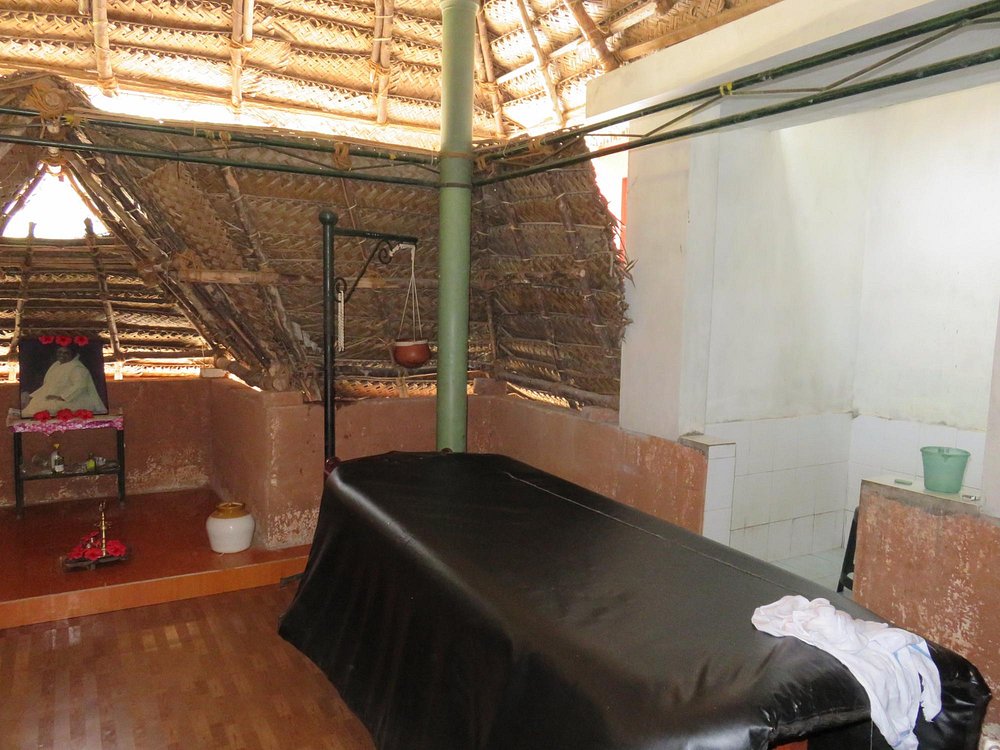
Woven through all three are the small, steadying rituals of a residential stay: a morning consultation and pulse reading, daily oil massage (Abhyanga), gentle yoga and breathwork, sattvic (vegetarian) meals chosen for your constitution, and a great deal of permission to simply rest. It is deliberately slow. That slowness is the medicine.
What it can — and can’t — do for you
Let us be honest, because you deserve honesty more than hype. Panchakarma is a cleansing and rejuvenating tradition, not a cure for disease, and anyone promising otherwise is overselling it. What guests more commonly describe is gentler and quietly real:
- A lighter body: as accumulated ama and metabolic waste are cleared, many feel a tangible lessening of heaviness.
- Rekindled energy: as digestive fire (agni) is restored, vitality often returns with it.
- Steadier sleep and calmer mind: the rest, the rhythm, and therapies such as Shirodhara — a soothing stream of warm oil poured over the forehead — settle an overstimulated nervous system.
- A reset you can keep: perhaps the most lasting gift is leaving with simple lifestyle and dietary guidance you can carry home.
Ayurveda has been refined over many centuries, and modern interest in rest, nutrition, and nervous-system care echoes much of its wisdom. Still, the responsible thing is to speak in terms of traditionally used for and may support — not miracles. The clearer your expectations, the deeper your benefit.
Is Panchakarma right for you?
You might feel drawn to it if digestion has grown sluggish, if a demanding season has left you depleted, or if you simply sense a build-up of heaviness asking to be released. Many first-timers come not because anything is dramatically wrong, but because something quietly doesn’t feel quite right.
Equally important is knowing when to wait. Panchakarma is powerful and deeply individual, so it is always preceded by a consultation with a qualified practitioner, and it isn’t suitable for everyone — for instance during pregnancy, acute illness, or significant frailty. A good centre will tell you honestly whether this is the right time, and will tailor everything to your constitution rather than handing you a fixed package. If a full classical cleanse feels like a lot for a first encounter, a gentler Detox programme can be a kinder doorway into the same tradition.
A quiet place to begin
At Amrutham, an intimate eight-room retreat in Kovalam, Kerala — near the still waters of Vellayani Lake, about thirty minutes from Trivandrum airport — Panchakarma is offered the unhurried, classical way: residential, supervised by qualified practitioners, and held in deliberate quiet. We frame a stay here as a U-turn inward, a gentle return to yourself, guided always by the principles we call M·A·Y — Meditation, Ayurveda, and Yoga. We don’t claim perfection. What we offer is honesty, presence, and deep care.
If you are simply curious for now, that is exactly the right place to start — and the truest way to learn what is Panchakarma is to feel it unfold around you. And if this tradition has stirred something more — a wish to understand it from the inside — you might one day choose to study Panchakarma in depth through our certification course. For most newcomers, though, the first honest step is to feel it for yourself, gently and well.


