
If you have spent any time researching Ayurveda, you have likely come across Panchakarma — the deep, multi-day cleansing process at the heart of the tradition — and wondered whether it lives up to the reverence around it. It is a fair question to ask before you commit your time, your savings, and a fortnight of your life: is panchakarma worth it, or is it simply a beautifully packaged spa holiday with Sanskrit names?
We will not oversell what it can do. What we can offer is an honest look at what Panchakarma actually involves, who tends to benefit, and what an authentic process feels like from the inside — so you can decide for yourself.
What Panchakarma actually is
Panchakarma translates as "five actions" (pancha = five, karma = action). It is a structured programme of cleansing therapies designed to dislodge and remove accumulated toxins (ama) from the tissues, then restore balance to the three doshas — the functional energies known as Vata, Pitta, and Kapha. In classical Ayurveda it is considered the most thorough form of treatment, used not for a single symptom but for the whole system. You can read a general overview of the practice and its place within the broader tradition of Ayurveda for historical context.
A genuine Panchakarma is not a single massage or a one-off therapy. It unfolds in three phases:
- Purvakarma (preparation): internal and external oleation, often with medicated ghee, and gentle heat therapies (Swedana) to loosen toxins and draw them toward the digestive tract.
- Pradhanakarma (the main actions): the cleansing therapies themselves, selected for your constitution — these may include therapeutic purgation, medicated enemas (Basti), or nasal cleansing (Nasya).
- Paschatkarma (after-care): a graded return to ordinary food and rhythm, rebuilding digestive fire (agni) so the benefits hold.
That third phase is where many shortcut "detox" packages fall away. Without careful after-care, the cleanse is incomplete — and the question of whether it was worthwhile becomes harder to answer.
So, is panchakarma worth it for you?
The honest answer is that it depends on what you are seeking and on how the programme is run. Panchakarma is traditionally used to support people who feel heavy, depleted, sluggish, or stuck — those carrying the residue of stress, irregular routines, or years of running on empty. People often arrive feeling foggy and over-stimulated, and leave feeling lighter, clearer, and more settled in themselves.
It tends to be most worthwhile when:
- You can give it real time: meaningful cleansing rarely happens in three days. A week is a beginning; longer allows the full arc of preparation, action, and recovery.
- It is personalised: your therapies should follow an assessment of your constitution (Prakriti) and current imbalance, not a fixed menu sold to everyone.
- You are ready to slow down: Panchakarma asks for rest, simple sattvic (pure, vegetarian) food, and space away from screens and obligations. It rewards surrender, not multitasking.
If, on the other hand, you want a quick fix or a packed itinerary of excursions, an authentic Panchakarma may frustrate you. It is quiet, sometimes dull, occasionally uncomfortable — and that is rather the point.
Is Panchakarma worth it? What the experience feels like
People imagine cleansing as deprivation. In practice, much of Panchakarma is deeply nurturing. Days are structured around warm oil therapies, herbal preparations, rest, and unhurried meals. There is a great deal of stillness. The body is worked with, not against.
There can be a tender middle stretch — a day or two when old fatigue surfaces, sleep deepens strangely, or emotions move closer to the surface. This is not a sign that something is wrong; it is often the loosening that the process is meant to produce. Good practitioners watch for it and adjust. By the closing days, most guests describe a kind of quiet they had forgotten was possible. Our wider Ayurveda package shares this same unhurried rhythm, if a full Panchakarma feels like more than you need right now.
How to tell an authentic programme from a spa imitation
Whether Panchakarma is worth it depends almost entirely on where you do it. The word has been borrowed by resorts that offer relaxing oil massages and call it cleansing. There is nothing wrong with a good massage — but it is not Panchakarma, and it will not deliver what the classical process promises.
A few honest markers to look for:
- Qualified practitioners: an Ayurvedic physician should assess you and prescribe therapies, rather than a fixed package being applied to everyone.
- Genuine preparation and after-care: the programme should include oleation and a recovery phase, not just the headline therapies.
- Appropriate length: be cautious of anything promising deep cleansing in a day or two.
- Quiet, sattvic surroundings: the diet and the setting are part of the medicine, not a backdrop.
If you would like to see how a structured cleanse is built, our Detox & Panchakarma package sets out the phases and the daily shape of a stay. You can also browse all our packages to compare gentler options if a full cleanse feels like a large first step.
A responsible word before you decide
Panchakarma is a traditional system with a long lineage, and many people find genuine relief and renewal through it. It is not, however, a substitute for medical care, and it is not suitable for everyone — those who are pregnant, frail, or managing certain health conditions may need to wait or adapt the approach. Speak openly with an Ayurvedic physician about your history and medications, and continue any treatment your doctor has prescribed. Approached honestly, Panchakarma is best understood as support for your body's own intelligence — never an exaggerated promise.
Our quiet conclusion
So, is panchakarma worth it? For the traveller who can give it time, who is ready to slow down, and who chooses an authentic setting with qualified care, it can be one of the more meaningful weeks of the year — a U-turn inward, a return to yourself. For someone seeking a quick result, it may disappoint. The difference lies less in the therapy than in the intention you bring and the hands you place yourself in.
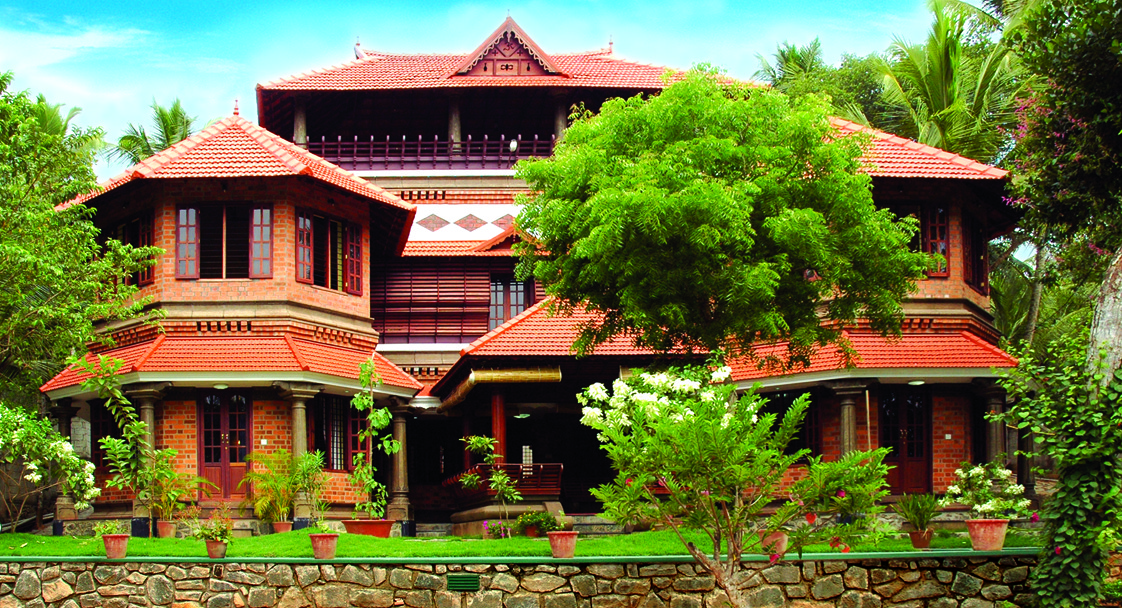
Here in Kovalam, Kerala — within an intimate, nature-immersed retreat of only eight rooms — we hold Panchakarma the unhurried way it was meant to be held: classical therapies, sattvic food, qualified practitioners, and the silence to let it work. If that resonates, we would be glad to walk you through what a stay might look like.


