
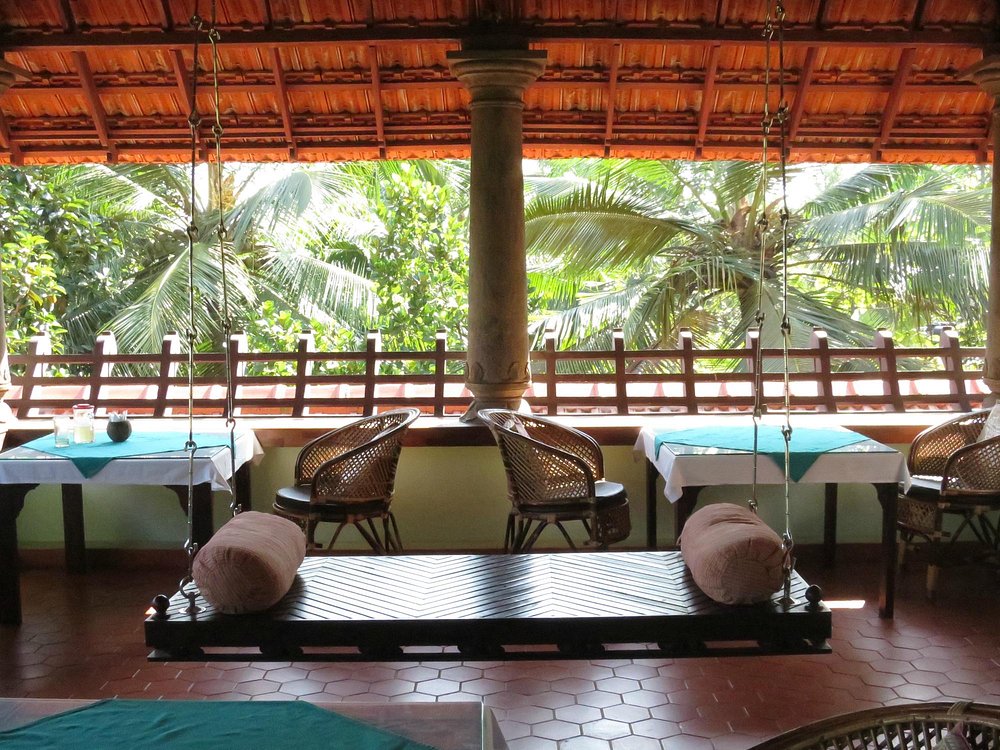
There is a quiet question many of us carry into a healing journey: what will my days actually look like? Before you arrive, the idea of deep cleansing can feel abstract — even a little daunting. So let us walk you gently through a typical panchakarma retreat daily schedule, hour by hour, so that the unknown softens into something you can picture, and perhaps even look forward to.
Panchakarma — literally the "five actions" — is the classical Ayurvedic process of detoxification (Shodhana) that loosens, mobilises, and removes accumulated toxins (ama) from the body. It is not a single treatment but an unfolding sequence, paced over days, that asks for rhythm, rest, and surrender. The schedule is the scaffolding that holds all of that together.
Why a panchakarma retreat daily schedule matters
In ordinary life, our days are pulled in a dozen directions. Panchakarma works precisely because it removes that pull. When meals, therapies, rest, and stillness follow the same gentle order each day, the nervous system stops bracing and finally begins to let go. The body's own intelligence — its digestive fire (agni) and its capacity to repair — returns to the foreground.
This is why the schedule is never arbitrary. It is aligned with the Ayurvedic clock, the daily rhythm (dinacharya) that places oil therapies in the cooler morning hours, the main meal at midday when agni is strongest, and quiet inward time as the light fades. Following it is, in itself, part of the medicine.
A typical panchakarma daily schedule, from waking to rest
No two guests follow an identical timetable — your therapies are prescribed for your constitution (Prakriti) and your current imbalance — but the shape of a panchakarma retreat daily schedule tends to flow like this:
- Early morning: Wake gently with the light. Warm water, perhaps a herbal preparation to kindle digestion, and time for meditation or quiet breath before the day begins.
- Morning yoga: A soft, restorative practice — never strenuous during cleansing — to ease stiffness and prepare the body to receive treatment.
- Light breakfast: Simple, warm, easy to digest. During deeper phases this may be reduced or adjusted by your physician.
- Mid-morning therapies: The heart of the day — oil massage (Abhyanga), herbal steam, or a flowing stream of warm oil over the forehead (Shirodhara), depending on your plan.
- Midday meal: The main, nourishing sattvic (pure, vegetarian) meal, taken when agni is at its peak.
- Afternoon rest: Genuine rest — reading, walking by the lake, or simply doing nothing. Integration happens in the pauses.
- Evening: A consultation or pulse check, a lighter early supper, then meditation or pranayama (breath practice) to settle the mind for deep sleep.
The pace is deliberately unhurried. You may notice, by the third or fourth day, that you have stopped reaching for your phone — that the schedule has quietly become a sanctuary rather than a constraint.
A word on expectations: cleansing can occasionally bring tiredness, a heavy head, or shifting moods as the body releases what it has held. This is not a setback but a sign the process is working, and it is precisely why so much rest is written into the day. Your physician will adjust the pace if you need it — the schedule bends to you, never the other way around. Some guests find a Kerala panchakarma retreat daily schedule asks more of their patience than their willpower, and that is rather the point.
The three phases that shape your days
A complete panchakarma unfolds in three stages, and your daily schedule shifts subtly as you move through them. Understanding the arc helps you meet each day with the right expectation.
- Purvakarma (preparation): The first days centre on internal and external oleation (Snehana) and warming therapies (Swedana). Oil is taken in and applied so that deep-seated toxins begin to loosen and travel towards the digestive tract.
- Pradhanakarma (main actions): The core cleansing methods themselves, chosen and supervised by your physician. These are the most carefully scheduled days, with lighter food and more rest.
- Paschatkarma (after-care): A gradual return. A specific, slowly rebuilding diet (Samsarjana Krama) and gentle routines help the rekindled agni stabilise so the benefits hold long after you leave.
Because the process is medical in nature, it should always be undertaken under qualified supervision. You can read a clear overview of its principles in this encyclopaedic summary of Panchakarma, though nothing replaces a personal consultation with an experienced practitioner who can read your individual needs.
Food, rest, and the rhythm in between
Much of what makes a panchakarma effective happens away from the treatment room. The sattvic kitchen, the silence of an afternoon, the early nights — these are not interludes between "real" treatments; they are treatment.
- Eat with the schedule, not against it: Meals are timed and simple so your digestion is never overburdened while it is busy clearing.
- Honour the rest: Resisting the urge to "be productive" is part of the work. The body repairs in stillness.
- Stay close to nature: A slow walk, the breeze off the water, unhurried time outdoors — these gently support the inward turn.
If a full cleanse feels like more than you are ready for, our Ayurveda package offers a gentler entry point, while a focused stay built around our specialised therapies can address a particular concern. You are welcome to browse all our packages to find the rhythm that suits where you are right now.
Settling into the schedule at Amrutham
Our home is intimate — only eight rooms, set in quiet nature near Vellayani Lake in Kovalam, Kerala, about thirty minutes from Trivandrum airport. That smallness is intentional. It means your panchakarma retreat daily schedule can be genuinely personal, watched over by qualified practitioners who notice how you are actually responding rather than how a generic plan says you should.
Guided by our philosophy of Meditation, Ayurveda and Yoga (M·A·Y) and the gentle compass of Awareness, Contentment and Equanimity (A.C.E.), a stay here is a U-turn inward — a return to yourself. The schedule simply clears the path so that something quieter, clearer, and more grounded can rise to meet you.
When you feel ready to picture your own days unfolding by the lake, we would be glad to walk you through what a panchakarma here could look like.


